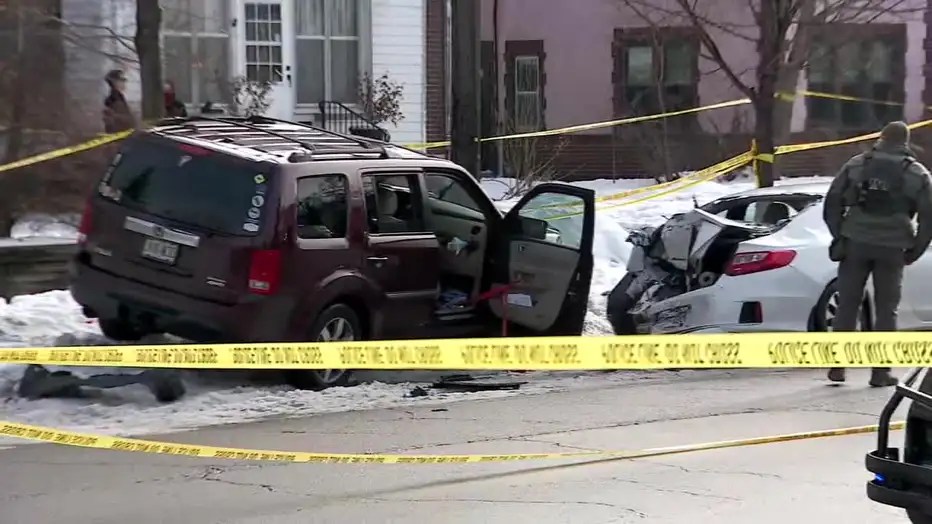
Welcome to another round of American political theater, where real tragedy becomes an ideological flashpoint, and the people doing the governing act like they’re auditioning for America’s Most Outraged Party. This spectacle comes from Minneapolis, where a federal Immigration and Customs Enforcement (ICE) operation ended with a 37-year-old woman dead, local leaders furious, and national figures cheering or jeering from the sidelines.
On January 7, 2026, ICE agents were in south Minneapolis as part of a broader immigration enforcement push. The Department of Homeland Security claims that a woman, later identified as Renee Nicole Good, used her vehicle in a threatening way against officers, prompting an ICE agent to fire and kill her. Federal officials labeled it an act of “domestic terrorism” and insisted the agent acted in self-defense. Local video, however, appears to contradict that account, showing Good attempting to move her car through the area, not plowing into a crowd of agents. Both sides have dispatched competing narratives almost immediately.
Minnesota’s Democratic leaders were incandescent, demanding ICE leave the city “for everyone’s safety,” labeling the federal versions of events as propaganda, and calling for a full, transparent investigation. Minneapolis Mayor Jacob Frey declared the federal narrative “garbage,” insisting the agency’s presence was destabilizing the community rather than making it safer. Senator Tina Smith echoed that sentiment, warning that federal enforcement was tearing at the fabric of local trust.
On the other side, Republican leaders and conservative commentators leapt to the defense of ICE and the agent involved, framing the incident as evidence of lawlessness at the local level that requires a strong federal hand. Vice President J.D. Vance emphasized that the agent should enjoy “absolute immunity” and blamed “far-left” rhetoric for putting federal operatives in harm’s way. Homeland Security Secretary Kristi Noem doubled down on the official line, calling Good’s actions an attempt to “weaponize” her vehicle.
Behind the shouting lies a sobering reality: both sides are using this incident as political cudgels rather than addressing the core issues exposed by it. Democrats are right that federal agents descending into a city, casing streets without deep cooperation from local authorities, is a recipe for fear and escalation. Republicans are right that law enforcement officers face real danger, and nobody should relish the prospect of violence against them.
But here’s where the contradictions pile up, and the common-sense center gets lost.
First, the dispute over the facts is real and consequential. Video footage contradicts the early federal portrayal of the event as a clear and present threat to the officers. Good’s vehicle appears to be slowly maneuvering, not careening at high speed, and there are no signs that agents were injured before shots were fired. Yet the official narrative leans aggressively on the “domestic terrorism” framing, feeding headlines and partisan talking points rather than clarity.
Second, if local leaders and state law enforcement had not been pushed aside in the investigation, Minnesota authorities were reportedly bypassed, then mistrust would not be the first response from city hall. Minnesota Governor Tim Walz and Mayor Frey have expressed horror at how the situation was handled and why state investigators were excluded from evidence review, deepening fears of federal overreach.
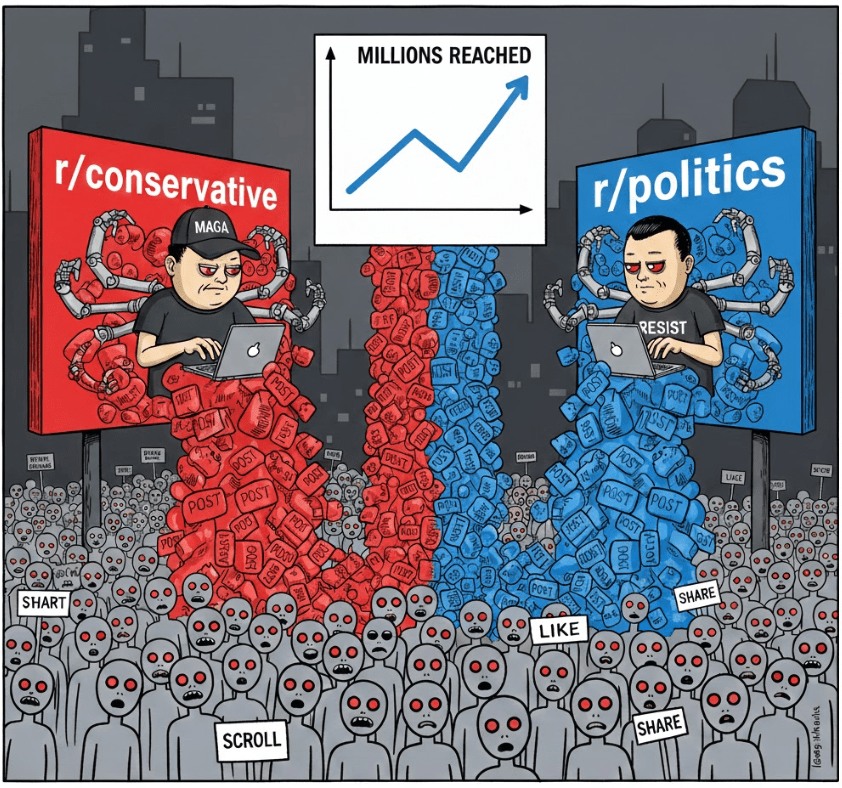
Third, the politics of the moment are poisonous. Republicans treat any criticism of federal enforcement as an attack on law and order, while Democrats treat any defense of the agent as an endorsement of violence against communities. Both sides sound convinced that their version of public safety is the only legitimate one, making conversations about meaningful accountability even harder.
While the outrage blares like a siren, real people are experiencing real loss and confusion. Good’s family, described by loved ones as kind and compassionate, did not become a political dossier; she became a headline. Her death is being wielded by both sides as proof of their worst narratives about the other, with little regard for whether it actually advances public safety or justice.
Across the country, protests have erupted, memorials have sprung up, and a city still scarred from earlier confrontations with law enforcement now finds itself caught in a fresh cycle of grief and political posturing. Federal statements about safety don’t calm a grieving community when local leaders insist the federal story doesn’t match the images they’ve seen.
Here’s the uncomfortable center that neither party wants to emphasize: America’s immigration enforcement policies are chaotic because they are weaponized politically. Republicans talk tough about law enforcement while enlarging their mandate without local input. Democrats denounce federal action while avoiding sober discussion of how to enforce laws compassionately and effectively. The result is a deadly mix of blame, heat, and no light.
If the goal of governing is to keep communities safe, then your average citizen should not feel caught between federal agents on one side and local politicians shouting at each other on the other. Safety isn’t a talking point. It’s a policy that requires clarity, accountability, and respect for evidence, not sloganeering.
Minneapolis will now endure months of investigations, arguments, legal filings, and perhaps more protests. Meanwhile, Washington will spin the story into ammunition for the next election cycle, and the rest of us will watch two parties fight over a narrative that should never have been political in the first place.
Because when both sides insist the other is solely to blame, the only certainty left is that nobody is actually trying to solve the problem.


 The Political Middle Child
Leave a comment