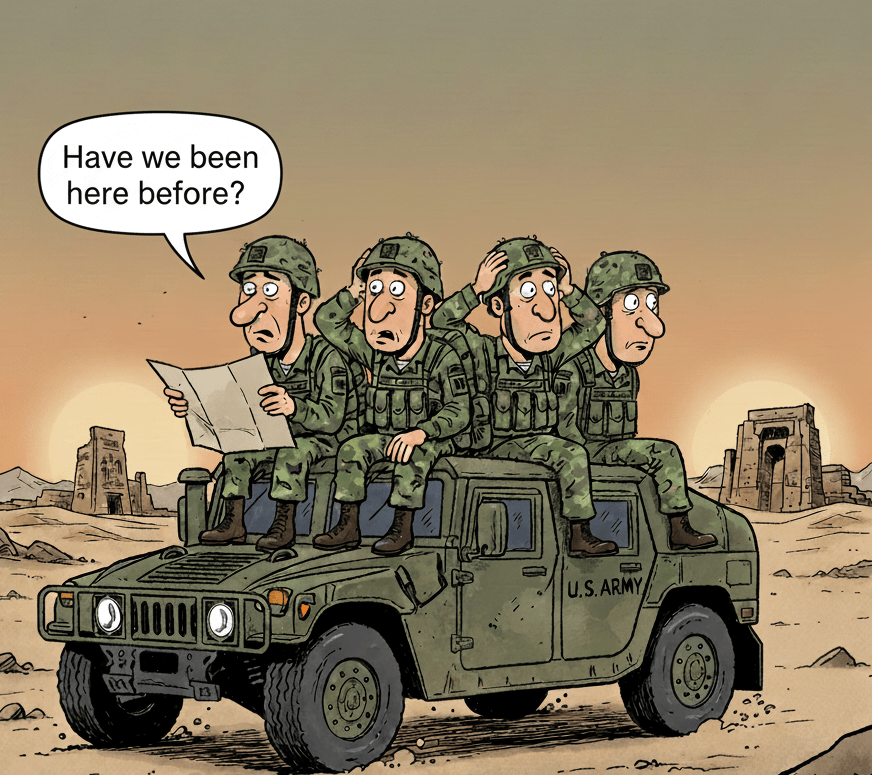
If there is one thing the global news cycle has perfected, it is turning human suffering into a partisan argument nobody actually wants to resolve. In Iran right now, widespread protests have shaken the country’s leadership, hundreds of people have been killed, and governments around the world are responding. Unfortunately, most of that response has taken the form of rhetoric aimed at domestic audiences rather than concern for the people risking their lives in the streets.
What began in late December as protests over economic collapse, inflation, and unemployment quickly evolved into something far more serious. Demonstrations spread across major cities and rural provinces alike, becoming one of the largest and most sustained uprisings Iran has seen since the 1979 revolution. Protesters have openly challenged the ruling system itself, a move met with swift and violent crackdowns by security forces. Human rights groups estimate that hundreds have been killed and tens of thousands detained, while internet blackouts have made independent verification increasingly difficult.
Into this volatile situation stepped foreign leaders, armed with statements that sound strong but solve very little.
President Donald Trump and senior U.S. officials have publicly warned Iran against killing protesters, hinting at consequences if the violence continues. The language has been dramatic and deliberately public, clearly aimed as much at American voters as at Tehran. At the same time, reports surfaced that Israeli Prime Minister Benjamin Netanyahu and U.S. Secretary of State Marco Rubio discussed possible U.S. military intervention should the unrest escalate further. Israeli officials confirmed heightened security alerts, while Iranian leaders responded with blunt warnings about retaliation against American and Israeli targets.
On paper, this can be framed as standing up for human rights. In practice, it looks more like geopolitical theater layered on top of a humanitarian crisis.
The protests themselves did not begin because of foreign meddling. They grew out of years of economic mismanagement, corruption, political repression, and a population increasingly cut off from opportunity. Young people, workers, students, and shopkeepers have all joined in, despite knowing that the consequences could be lethal. These are not protests organized from abroad. They are rooted in lived frustration.
Iran’s leadership, however, has predictably chosen deflection over reflection. Officials have blamed foreign powers for inciting unrest, casting the protests as externally driven rather than homegrown. In response to talk of intervention, Iranian lawmakers warned that U.S. and Israeli forces would be considered legitimate targets if military action were taken. The result is a dangerous escalation of language that raises the stakes without improving the situation on the ground.
This is where the American political divide becomes especially unhelpful.
One camp frames any discussion of military options as moral clarity and strength, arguing that the United States has an obligation to support people fighting authoritarian rule. The other camp warns that even discussing intervention risks turning Iran into the next endless conflict, undermining sovereignty and inflaming regional instability. Both arguments contain elements of truth, and both collapse under scrutiny when taken to their extremes.
What neither side addresses honestly is the lack of a realistic path forward. Military threats without a clear plan for what comes next are not policy. They are performance. History offers no shortage of examples where foreign intervention, even when framed as humanitarian, ended up weakening reform movements by allowing regimes to paint dissenters as foreign proxies.
At the same time, pretending that silence equals respect for sovereignty ignores the reality that mass repression does not occur in a vacuum. The international community is not wrong to respond. It is wrong to respond in ways that prioritize optics over outcomes.
Meanwhile, the human cost continues to mount. Families mourn loved ones killed in clashes. Hospitals struggle to cope. Information remains fragmented due to communication shutdowns. The people risking everything for change are largely absent from the international debate that claims to revolve around them.
Instead, the focus remains on whether the United States should intervene, whether Israel might strike, and how each political faction can frame the crisis to its advantage. Cable panels argue strategy. Politicians trade warnings. Social media fills with absolutes. None of this meaningfully improves the lives of those facing batons, bullets, and detention cells.
A sober assessment recognizes that threats issued from afar are not a substitute for thoughtful diplomacy or sustained international pressure. Supporting human rights does not require turning another country’s unrest into a proxy battlefield. It requires restraint, coordination, and a willingness to accept that the most effective actions are often the least dramatic.
As the protests continue, one truth remains painfully clear. While governments argue over narratives and options, the people of Iran are the ones bearing the consequences. And once again, the loudest voices in the room belong not to those living the crisis, but to those using it as fuel for familiar talking points.
Which is exactly why slogans and threats are not enough, and why clarity, humility, and restraint matter more than ever.
 The Political Middle Child
Leave a comment