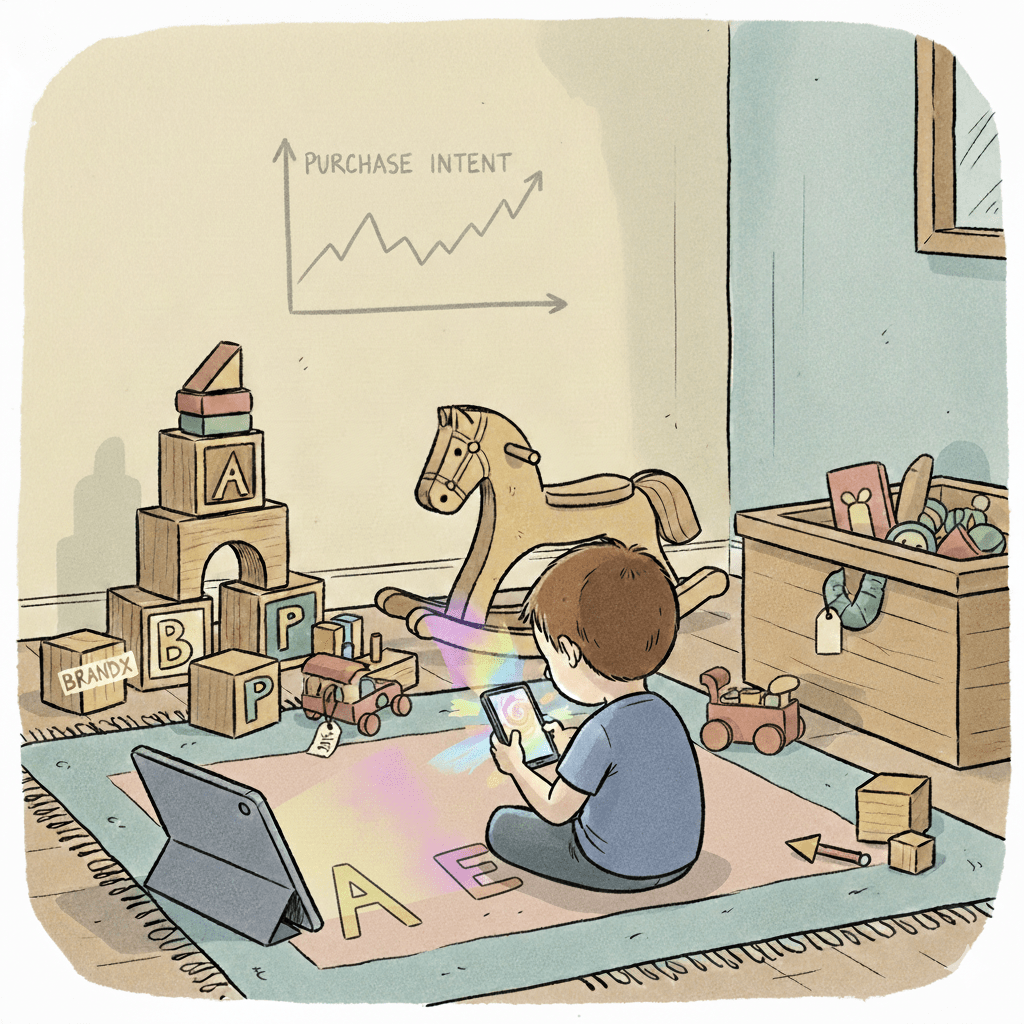
There was a time when children’s television did not exist to sell anything.
That sentence feels almost fictional now, but it was real. For generations, PBS Kids occupied a strange and wonderful space in American life. It did not chase attention. It did not jump-cut every three seconds. It did not ask children to want more, buy more, or become more before they were ready.
It asked them to learn. To feel. To wonder.
PBS Kids treated childhood as something worth protecting, not monetizing.
And now, that chapter is quietly closing.
Public broadcasting, especially children’s programming, was built on a radical idea. Kids were not a market. They were citizens in the making. The goal was not engagement but development. Not retention but growth. Shows like Sesame Street, Mister Rogers’ Neighborhood, Arthur, Reading Rainbow, and later Daniel Tiger did not exist to lock children in. They existed to help them understand letters, numbers, feelings, patience, empathy, and the world around them.
They spoke slowly. They repeated lessons without urgency. They trusted that children did not need to be overstimulated to be engaged.
That trust is almost gone from modern children’s media.
Over time, childhood has been steadily commercialized. Children did not just watch shows. They became the product. Bright colors intensified. Cuts became faster. Stories became thinner. Characters became brands. The goal shifted from helping kids grow to keeping them watching.
Not because it was better for children, but because it was better for metrics.
PBS Kids resisted that shift longer than anyone else. It stayed boring by modern standards, which is another way of saying it stayed healthy. It stayed focused on education, emotional literacy, and age-appropriate storytelling. It introduced characters because children needed them, not because a sales forecast did.
That resistance was possible because PBS Kids was not built on advertising. It did not answer to quarterly earnings. It did not need to justify a new character with toy sales. It was publicly funded, publicly accountable, and publicly minded.
Now that funding is disappearing.
As PBS and PBS Kids are pushed further toward outside funding and private partnerships, the pressure will change. Slowly at first. Subtly. But inevitably.
When public funding disappears, replacement money does not arrive without expectations.
Outside funding asks questions public funding never did. How many viewers did this episode retain. What products can we tie to this character. Can we make the pacing faster. Can we make it louder. Can we make it trend.
The danger is not that PBS Kids suddenly becomes bad. The danger is that it becomes normal.
Educational lessons will still exist, but they will compete with engagement demands. Emotional storytelling will still happen, but only if it performs. New characters will still appear, but not because children need a new way to process anxiety or loss. They will appear because a new plush line is ready.
That is how childhood quietly ends.
Not with a ban. Not with outrage. Not even with an announcement. Just with incentives changing behind the scenes.
When children’s programming becomes market-driven, children stop being learners and start being consumers. Their attention becomes something to harvest. Their emotions become something to stimulate. Their development becomes secondary to their retention.
PBS Kids stood as one of the last places where childhood was treated as sacred rather than strategic.
Its slow disappearance as a truly public institution is not just about television. It is about what we decided was no longer worth protecting. It is about a country that once believed children deserved something free from market pressure, and now seems willing to let that belief dissolve quietly.
The loss of public broadcasting for children marks the end of an era where we trusted that not everything needed to be optimized, monetized, or scaled.
Childhood was one of those things.
And if we replace it entirely with consumer logic, we should not be surprised when our children grow up fluent in branding, impatient with silence, and unfamiliar with the feeling of being valued for who they are rather than how long they stayed engaged.
This is not nostalgia. It is a warning.
Once childhood becomes just another funnel, there is no episode that brings it back.
 The Political Middle Child
Leave a comment